 01
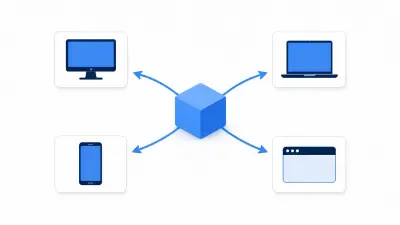
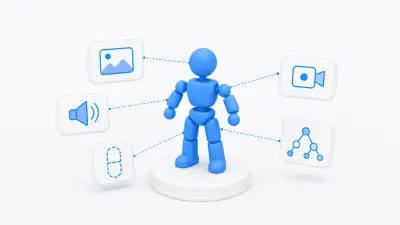
01Scenes and Nodes in Godot - A Complete Guide to the Basics
A practical explanation of scenes and nodes, the two concepts at the heart of Godot Engine, including performance considerations and best practices.
Technical notes for Godot game engine. All 64 articles are organized as a learning path you can follow in order, from fundamentals to advanced topics.
01A practical explanation of scenes and nodes, the two concepts at the heart of Godot Engine, including performance considerations and best practices.
 02
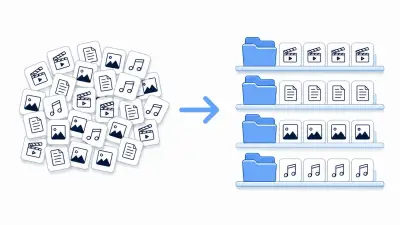
02Illustrated guide to keeping a Godot project tidy: folder structures (by type and by feature), Godot's naming conventions (snake_case / PascalCase), the difference between res:// and user://, and how to manage the project with git.
 03
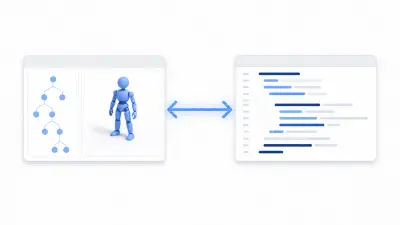
03How to configure VSCode or Cursor as Godot's external editor to improve your workflow with AI completion, advanced debugging, and LSP integration.
 04
04A beginner's guide to the basic syntax of GDScript, the language that drives Godot games. Variables and types, functions, if/for/while/match, arrays and dictionaries, one at a time with small working examples.
 05
05How to fix bugs efficiently by making strategic use of Godot Engine's debugging tools and the print_debug function, written for beginners through intermediate developers.
 06
06Master static typing in GDScript to prevent bugs before they happen and get the most out of performance. Practical techniques with code examples.
 07
07A guide to Godot Engine's pause system and the Process Mode property on nodes. Covers the basics, building UI that keeps running while paused, cutscene and dialogue use cases, and performance considerations.
 08
08How to define custom node types with class_name and make them pleasant to use in the editor with @icon and @export. Covers custom Resources and EditorInspectorPlugin as well.
 09
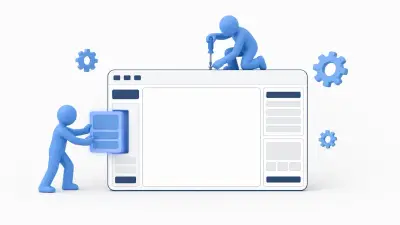
09How to add custom docks, toolbar buttons, and inspector plugins using Godot's @tool annotation and the EditorPlugin class. Covers plugin.cfg setup through best practices.
 10
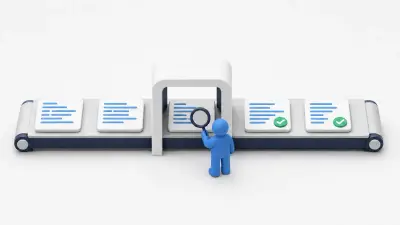
10How to write automated tests with the Godot Unit Test (GUT) addon. Covers writing tests, assertions, signal tests, and scene tests.
 01
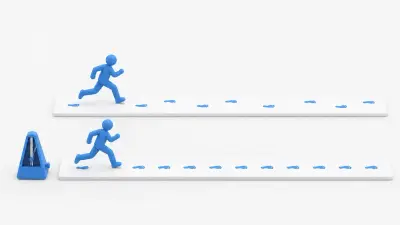
01The difference between _process and _physics_process, the basics of variable and fixed timesteps, and best practices for choosing between them.
 02
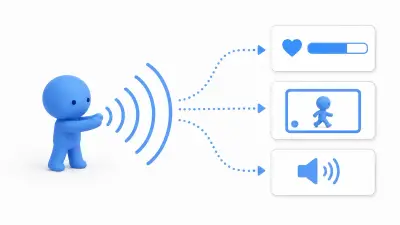
02How to use Godot's signals to keep UI, sound, and game flow loosely coupled, explained with concrete game implementation examples.
 03
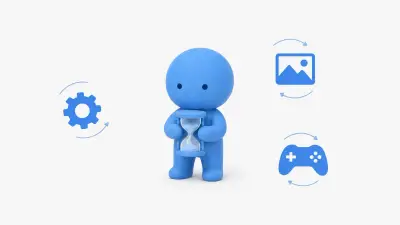
03How to use Godot 4's await to write readable waiting logic for timers, animations, dialogue, and cutscenes, explained with game implementation examples.
 04
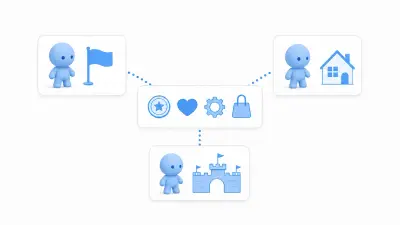
04How to use Godot's Autoload to manage the data and features your whole game shares: score, settings, volume, scene transitions, and more.
 05
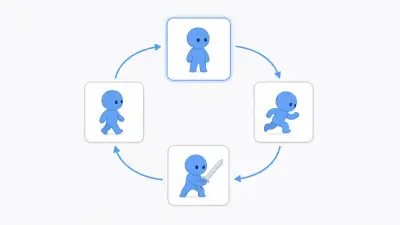
05How to organize player and enemy AI states in Godot with a state machine, from the enum/match approach up to state classes, with practical examples.
 06
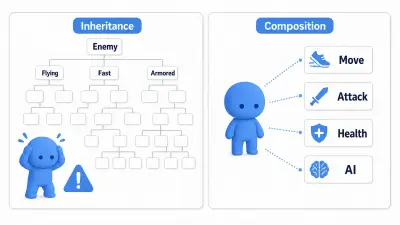
06Composition, decorator, and factory patterns that help as your Godot game grows, explained from the pain of inheritance-only design through to working implementations.
 07
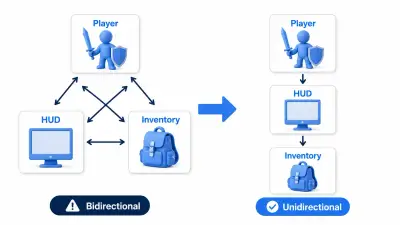
07Why references between Player, HUD, Inventory, and ItemData get tangled in Godot, and how to keep dependency direction clean with signals, Autoload, WeakRef, and argument passing.
 01
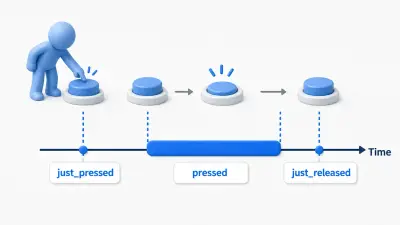
01How to choose between Godot's is_action_pressed, is_action_just_pressed, and is_action_just_released, with real examples for movement, jumping, variable jumps, charge attacks, and UI.
 02
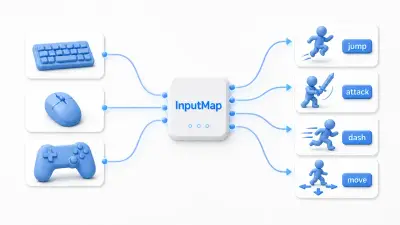
02How to map keyboard, mouse, and gamepad input to in-game actions with Godot's InputMap, covering 8-way movement, in-game rebinding, and saving and restoring settings.
 01
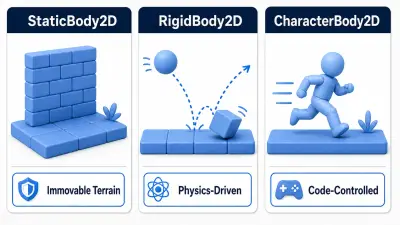
01How to choose between Godot's StaticBody2D, RigidBody2D, CharacterBody2D, and AnimatableBody2D, using players, enemies, crates, floors, and moving platforms as examples.
 02
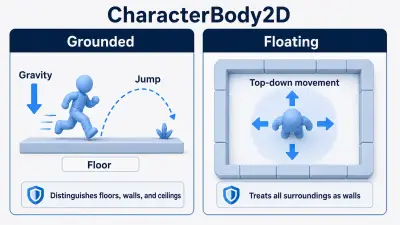
02How to choose between Grounded and Floating Motion Mode on Godot's CharacterBody2D, using platformers, Metroidvanias, top-down RPGs, and twin-stick shooters as examples.
 03
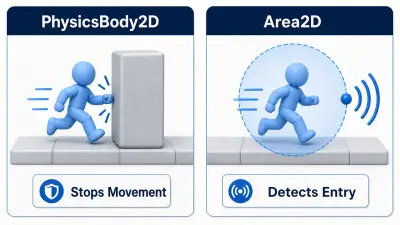
03How to use Godot's Area2D for item pickups, enemy detection ranges, event triggers, and damage-over-time hazards, starting from signals and collision layers/masks.
 04
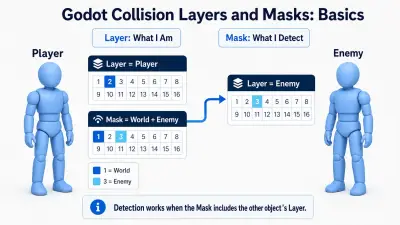
04A practical guide to Godot's Collision Layer and Collision Mask, using players, enemies, walls, attack hitboxes, and item pickups as examples, plus a checklist for tracking down detections that don't fire.
 05
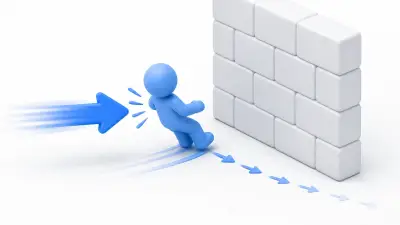
05The difference between move_and_slide() for CharacterBody2D and move_toward() for easing values toward a target, covering knockback, the classic wall-clipping mistake, and velocity decay.
 06
063D character movement in Godot from the ground up. Gravity and is_on_floor on CharacterBody3D, WASD movement and jumping, converting input into camera-relative directions, and a third-person camera with SpringArm3D, with working code and diagrams.
 01
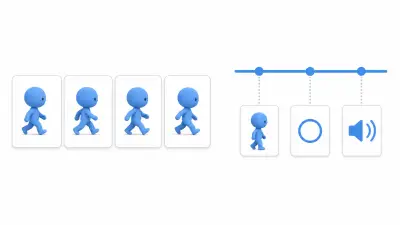
01A beginner-friendly guide to choosing between Godot's AnimatedSprite2D and AnimationPlayer, based on real production situations like sprite playback, attack hitboxes, sound effects, and UI polish.
 02
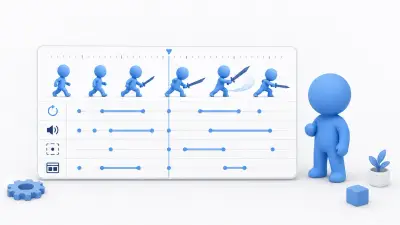
02How to sync Godot's AnimationPlayer with game logic using keyframes, tracks, method calls, and the RESET animation.
 03
03How to implement value changes over time with create_tween() for UI effects, damage flashes, HP bars, moving platforms, and more, covering easing, chaining/parallel, and await.
 04
04How to implement a white flash when a character takes a hit in Godot, using the modulate property and Tween. Covers the HDR principle, handling rapid consecutive hits, when to reach for shaders, and wiring it into a hit reaction.
 05
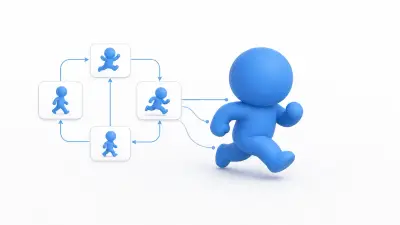
05How to efficiently manage complex character animation such as idle, walk, run, and jump using Godot's AnimationTree and state machines, explained through state graph thinking and practical code examples.
 06
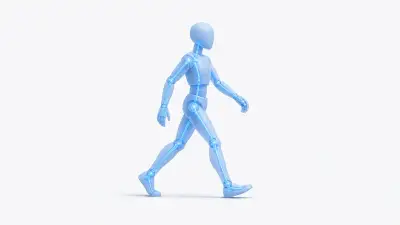
06A practical guide to Godot 4's Skeleton3D and bones, 3D animation playback with AnimationPlayer, directional blending with BlendSpace, and foot placement with SkeletonIK3D.
 01
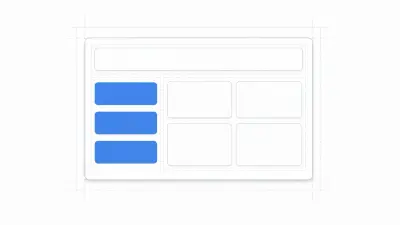
01How to build responsive UI that adapts to any screen size using Godot's Control nodes and layout containers, covering anchors, choosing the right container, nesting, and Size Flags with practical examples.
 02
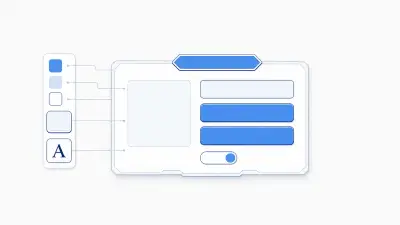
02How to manage your UI's look in one place with Godot's theme system, covering the five theme items, inheritance priority, StyleBoxFlat, and implementing a dark mode toggle with practical examples.
 03
03How to build an extensible dialogue system in Godot with a typewriter effect, choices, branching, and data-driven design backed by JSON.
 04
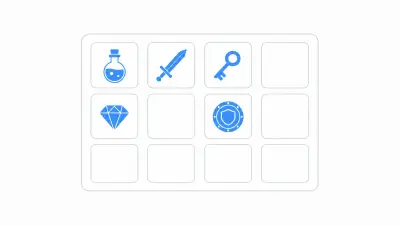
04How to design an extensible inventory system in Godot that separates data, logic, and UI using Resources and signals, explained through a three-layer architecture and a practical end-to-end flow.
 01
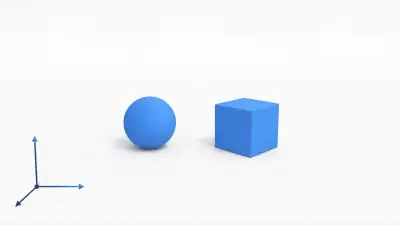
01The essentials for starting 3D development in Godot: what Node3D and MeshInstance3D each do, the Y-Up right-handed coordinate system, Transform3D, and how parenting and pivots work, with practical code examples.
 02
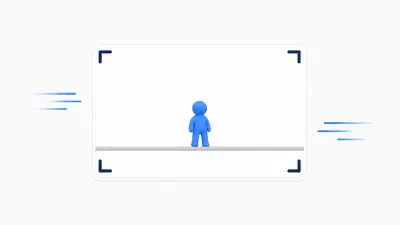
02Practical techniques for getting the most out of Godot's Camera2D: smooth follow with lerp, trauma-based screen shake, dynamic zoom with Tween, and a boss intro sequence that combines all three.
 03
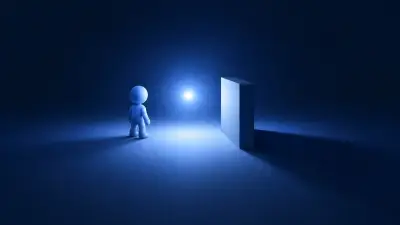
03How to implement 2D lighting and shadows in Godot with PointLight2D and LightOccluder2D: the three elements of light source, occluder, and subject, how shadows work, when to use DirectionalLight2D instead, and building a flashlight.
 04
04How to build explosion, smoke, and magic effects with Godot's GPUParticles2D: the three required elements, shaping a particle's lifetime with ParticleProcessMaterial, One Shot and Explosiveness, and optimizing with pooling.
 05
05A careful introduction to fragment shaders in Godot, starting from the difference between CPU and GPU. Covers color manipulation and dynamic effects with COLOR, UV, and TIME, building a hit flash, and performance optimization by avoiding if statements, with concrete code and diagrams.
 06
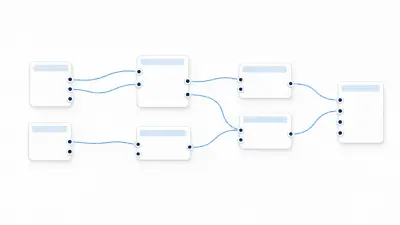
06A beginner's guide to Godot's VisualShader. Learn through diagrams how to build shaders by connecting nodes instead of writing code, the main node types and how they connect to Output, how it maps to code shaders, and when to use each.
 07
07An explanation of Godot's SubViewport starting from the core concept of an independent virtual screen. Covers building minimaps, 3D inventory previews, and security-camera-style render textures, plus performance optimization through Update Mode and resolution, with concrete code and diagrams.
 08
08A guide to post-processing shaders that affect the whole screen in Godot. Covers the CanvasLayer plus full-screen ColorRect setup, reading the rendered screen with hint_screen_texture, standard recipes like vignette, chromatic aberration, and CRT scanlines, and a hands-on damage flash.
 09
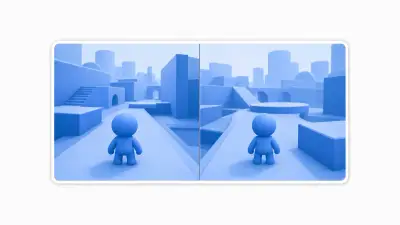
09How to build a two-player local co-op split screen with Godot's SubViewport. Covers the layout of two side-by-side SubViewports, sharing one world through world_2d/world_3d, routing input per player, and performance considerations, with diagrams and code.
 01
01Godot audio from the ground up with AudioStreamPlayer and Audio Buses. Covers playing sound effects without cutting out, splitting BGM/SFX/Voice into buses, centralized control with an AudioManager singleton, slider volume control, and bus effects like reverb, with code and diagrams.
 02
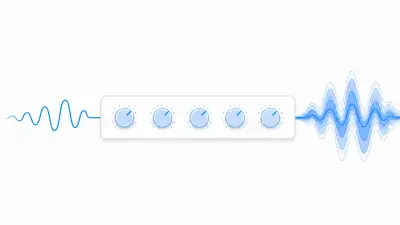
02How to shape acoustic space by applying reverb, compressor, EQ, and other effects to Godot's AudioBus. Covers the roles of the three main effects, processing order (chains), dynamically applying reverb when entering a cave, and settings by use case, with code and diagrams.
 03
03How to implement 3D spatial audio with Godot's AudioStreamPlayer3D. Covers choosing an attenuation model, separating listener from camera with AudioListener3D, the Doppler effect, Area3D reverb zones, distance filtering, and performance optimization, with code and diagrams.
 04
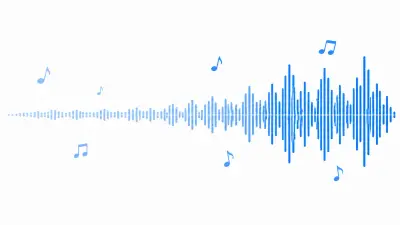
04How to implement adaptive music that changes with the game situation using Godot 4.3+'s AudioStreamInteractive and AudioStreamSynchronized. Covers clip switching versus layering, transition timing, and building an exploration/combat music switcher, with code and diagrams.
 01
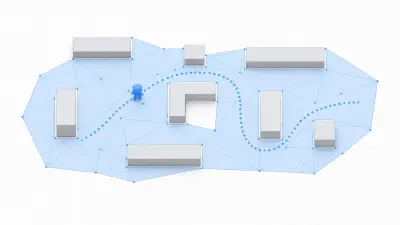
01How NavigationRegion2D and navigation meshes work in Godot. Covers the difference from physics-based movement, baking the walkable area, keeping distance from walls with agent_radius, and handling moving obstacles with NavigationObstacle2D, all explained with diagrams.
 02
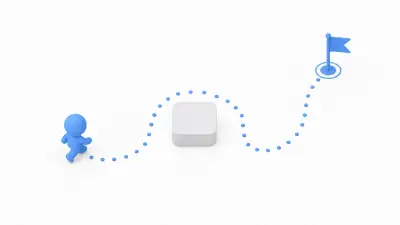
02How to implement chasing and patrolling enemy AI that avoids obstacles using Godot's NavigationAgent2D. Covers the basic processing cycle, what get_next_path_position actually returns, chase and patrol implementations, agent-to-agent avoidance with RVO, and optimizing path recalculation, with code and diagrams.
 03
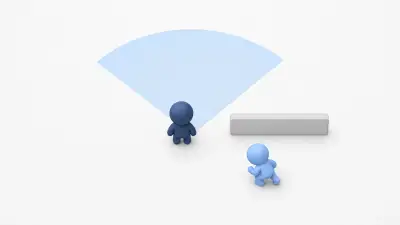
03How to implement a stealth game FOV (field of view) system by narrowing down with Area3D, checking the view angle with a dot product, and confirming line of sight with RayCast3D. Covers the three-stage check, multiple raycasts, and staged alert levels, with code and diagrams.
 04
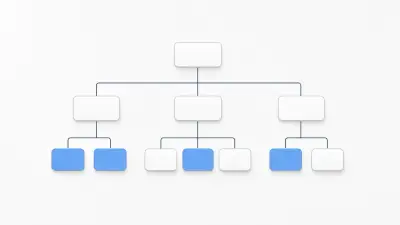
04Flexible AI design with behavior trees (BT) in Godot. Covers how BTs differ from state machines, the four node types, implementing Sequence/Selector/Leaf, assembling an enemy AI tree, and the Blackboard pattern, with code and diagrams.
 01
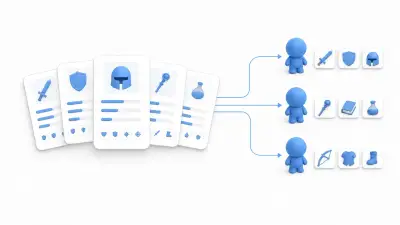
01How to build data-driven design in Godot with custom resources (classes extending Resource). Covers separating logic from data, editing in the Inspector and saving to .tres, deriving subtypes through inheritance, staying safe at runtime with duplicate(), and choosing between JSON, CSV, and SQLite, with diagrams throughout.
 02
02An illustrated guide to the three main ways to persist game data in Godot (ConfigFile, JSON, and custom resources), from the basics of user:// through implementation, when to use which, and tamper resistance. Includes a hands-on checkpoint save.
 03
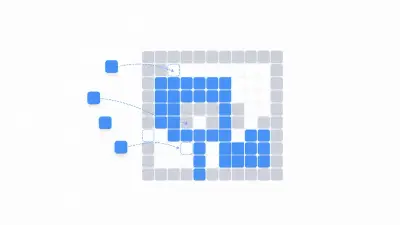
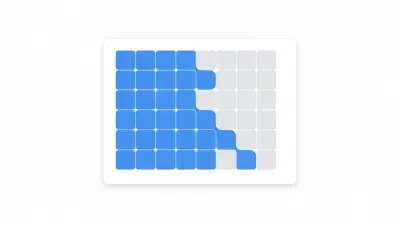
03The basics of building 2D maps with TileMapLayer in Godot 4.3+. Covers the relationship between TileMapLayer and TileSet, adding collision to tiles via physics layers, splitting ground and decoration across multiple layers, and placing tiles from script with set_cell, all illustrated.
 04
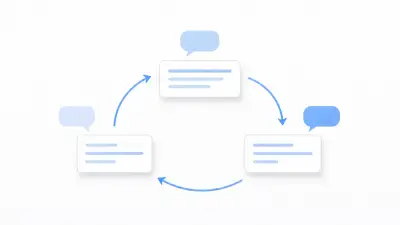
04A step-by-step walkthrough of Godot 4's Terrains (autotiling) feature, with editor screenshots, from creating a TileMapLayer node through understanding Peering Bits, painting a map, and procedural generation from GDScript.
 05
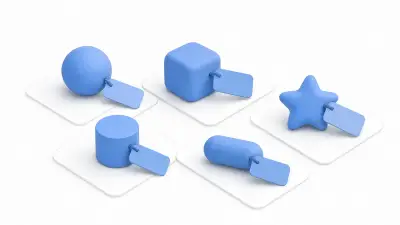
05A practical, illustrated guide to Godot's TranslationServer localization system, from creating and registering a CSV translation file and displaying text with tr(), through placeholders, switching languages at runtime, and auto-detecting the OS language.
 01
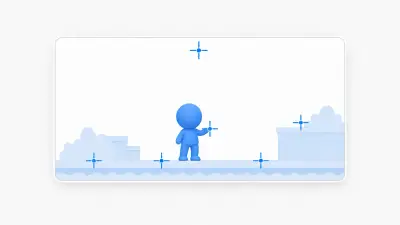
01Godot's group feature tags nodes so you can manage them by role. Covers checks with is_in_group, broadcasting commands with call_group, performance caveats, and when to use metadata, class_name, or duck typing instead, all with diagrams.
 02
02How to use Marker2D to manage spawn points, weapon muzzles, and effect anchors. Covers the difference from Node2D, attaching data with @export, using global_position, and tips for keeping markers organized.
 03
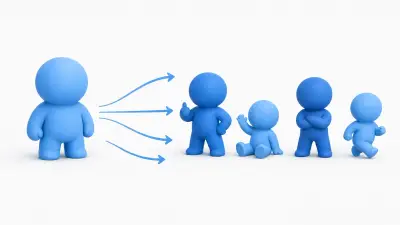
03How to efficiently produce enemy and NPC variations in Godot. Covers scene inheritance for managing only the differences and propagating parent changes, one-off tweaks with Editable Children, and when to use data-driven Resources instead.
 01
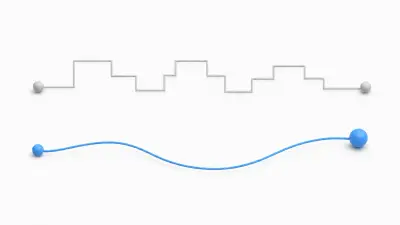
01How to eliminate stutter in Godot games. Illustrates the difference between physics ticks and rendering frames, V-Sync and max_fps, physics interpolation that kills jitter for good, and a measurement-first approach to optimization.
 02
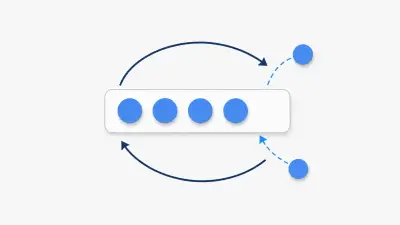
02Object pooling in Godot, explained to remove instantiation spikes. Covers reusing objects instead of creating and destroying them, the trap where _ready() isn't called, fully stopping processing and collisions, building a bullet pool, and deciding when to adopt it, with diagrams and code.
 03
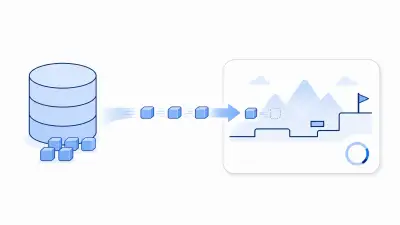
03A practical guide to choosing between load() and preload() in Godot, asynchronous background loading with ResourceLoader, building a loading screen with a progress bar, and managing memory with WeakRef, explained with diagrams and code.